Products you buy through our links may earn us a commission. Oh, and if something's out of stock, oops, it was there (and all prices were accurate) at time of publication.
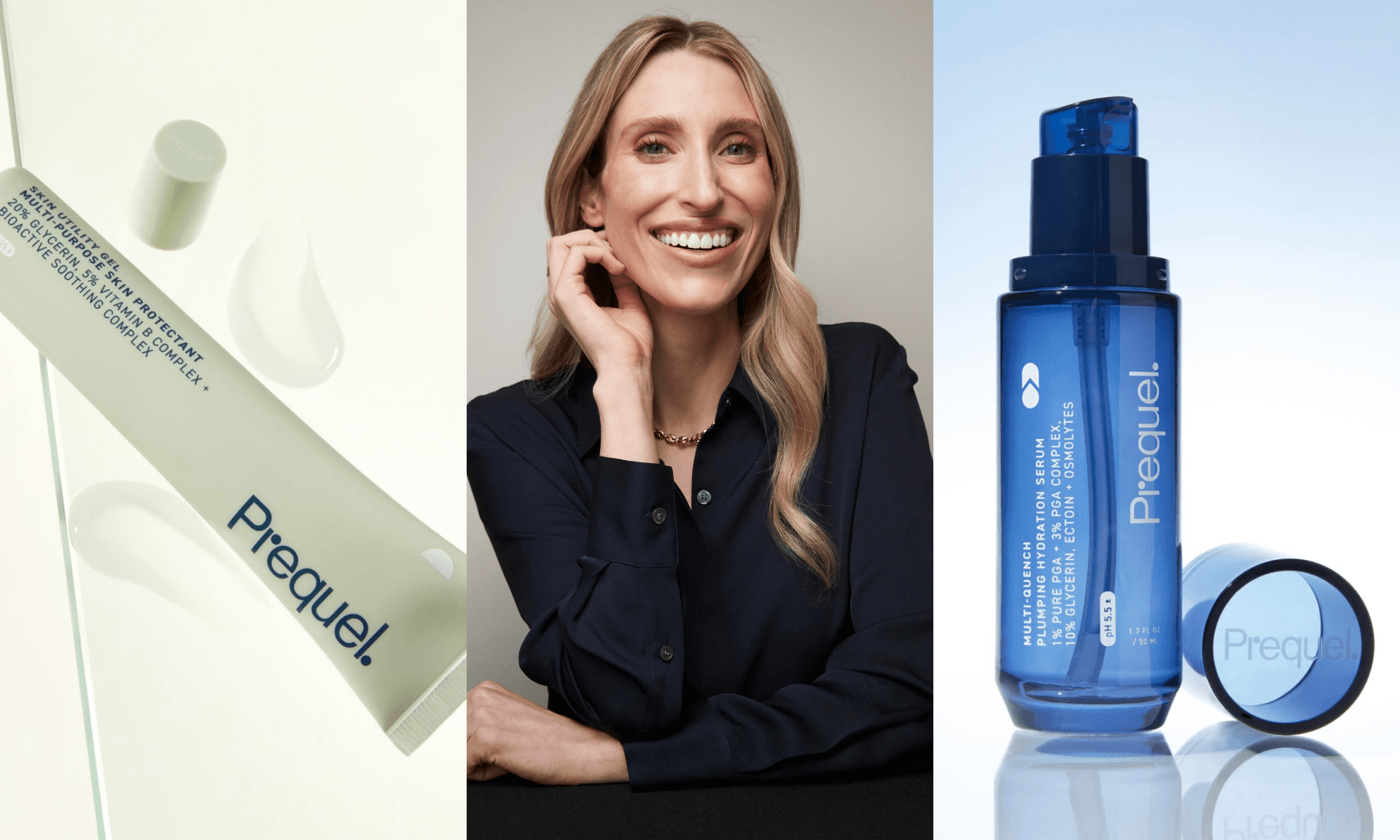
Margo here. To put it lightly, I’m a superfan of Prequel, and have yet to find a product from the affordable line that I dislike. In case you don’t know, the brand was founded and developed by Dr. Sam Ellis, a board-certified dermatologist with a practice in northern California. I am prone to dry, tight, crackly skin, and have eczema, so I recently asked her about the best practices and products we all need to battle the cold this winter. And if you haven’t shopped Prequel already, you should. The under $30 brand can be found on Amazon, in most Target stores, and at the brand's website.
For those with perioral dermatitis who can tolerate using products, what do you recommend for winter?
Winter can be challenging for perioral dermatitis because dryness often pushes people to overuse products, which can worsen flares. I recommend keeping routines as simple as possible with a gentle, fragrance-free cleanser and moisturizer. It's one of the rare instances where I even have my patients skip sunscreen.
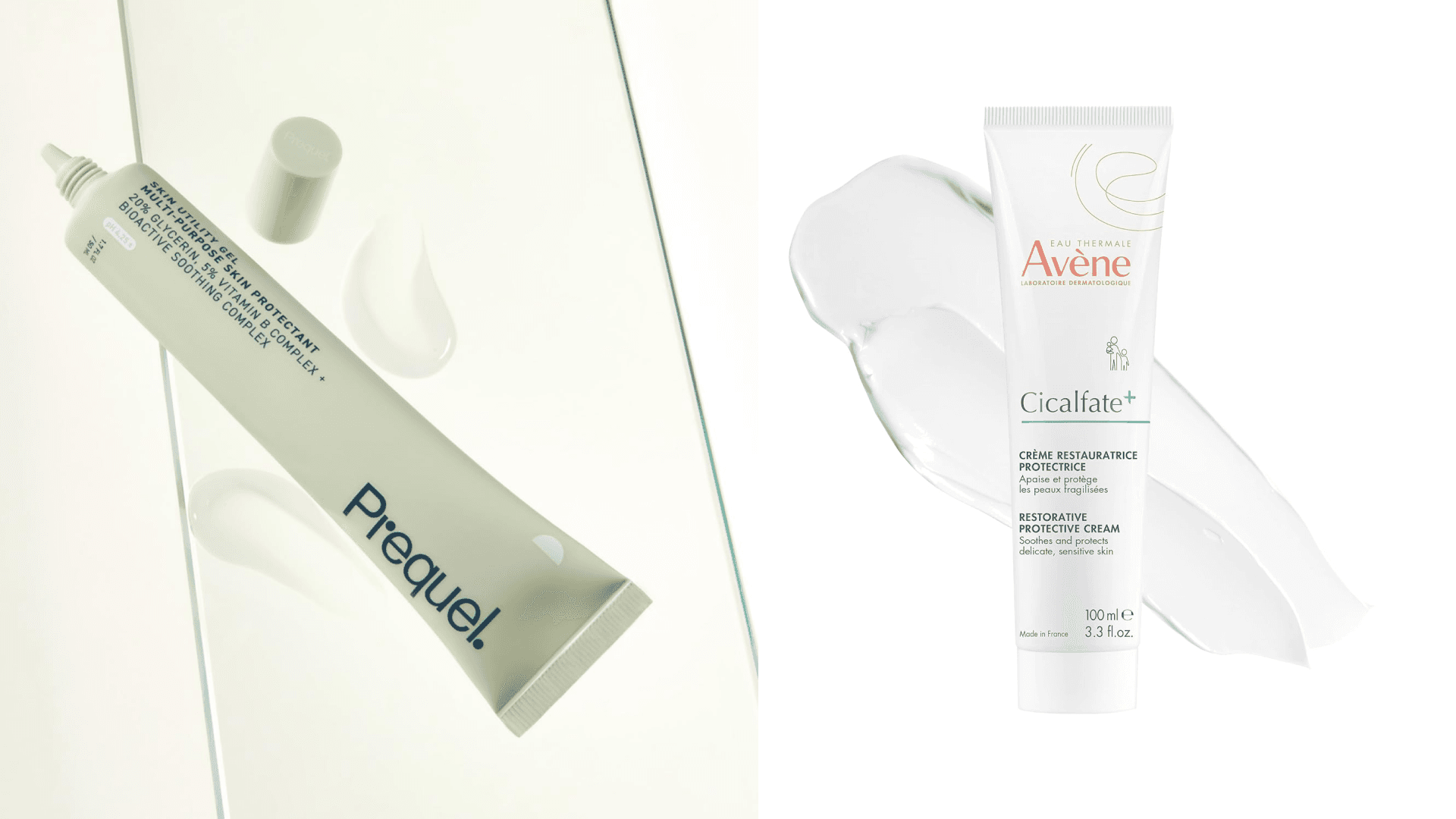
For moisturizing, lighter layers tend to work better than heavy creams. I hear from a lot of patients and followers who find Prequel’s Skin Utility Gel helpful because it hydrates without feeling occlusive, and is a true skin protectant. For targeted irritation, I also love Avéne’s Cicalfate+. During flares, I also suggest removing potential irritants like vitamin C, retinoids, and exfoliating acids.
What are your thoughts on peptides? Just a buzzy trend or something actually effective?
A bit of both. Peptides are definitely having a moment, but there is real science behind them. As skincare research has expanded, we've learned that peptides can support a wide variety of skin concerns (anti-aging, calming, skin-strengthening). If someone is interested in incorporating these into their routine, it's about seeking peptides that will help them reach their specific skin goals.
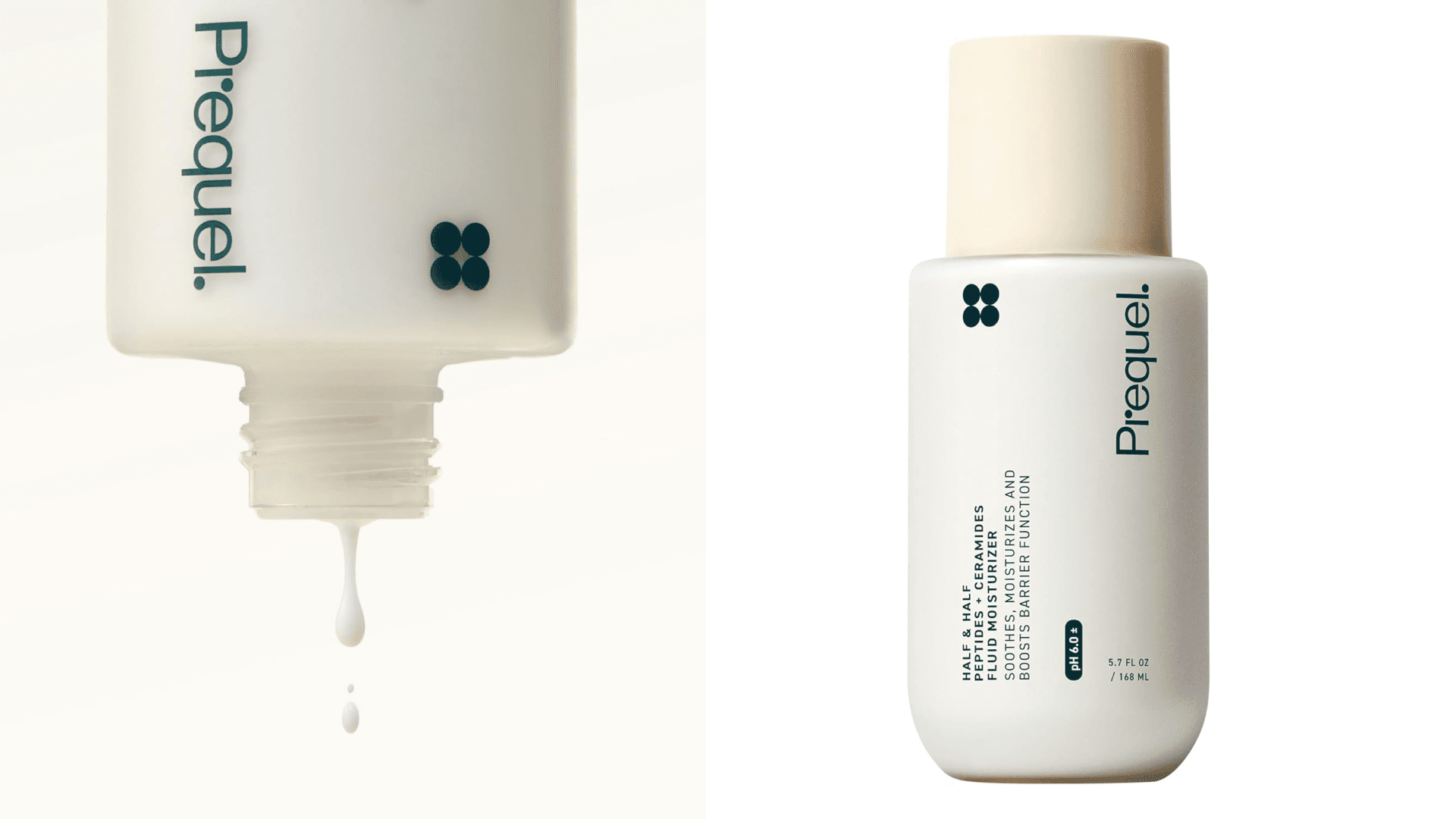
For example, Prequel’s Half & Half Fluid Moisturizer was designed around a balance of ceramides and peptides. It includes peptides that support firmness and elasticity, alongside one intended to help reduce inflammation; it’s a useful product for sensitive or stressed skin.
Your take on exfoliation?
Less is more, especially for the face. Most people exfoliate far more than their skin actually needs. For many, once a week is enough if you are using something more potent.
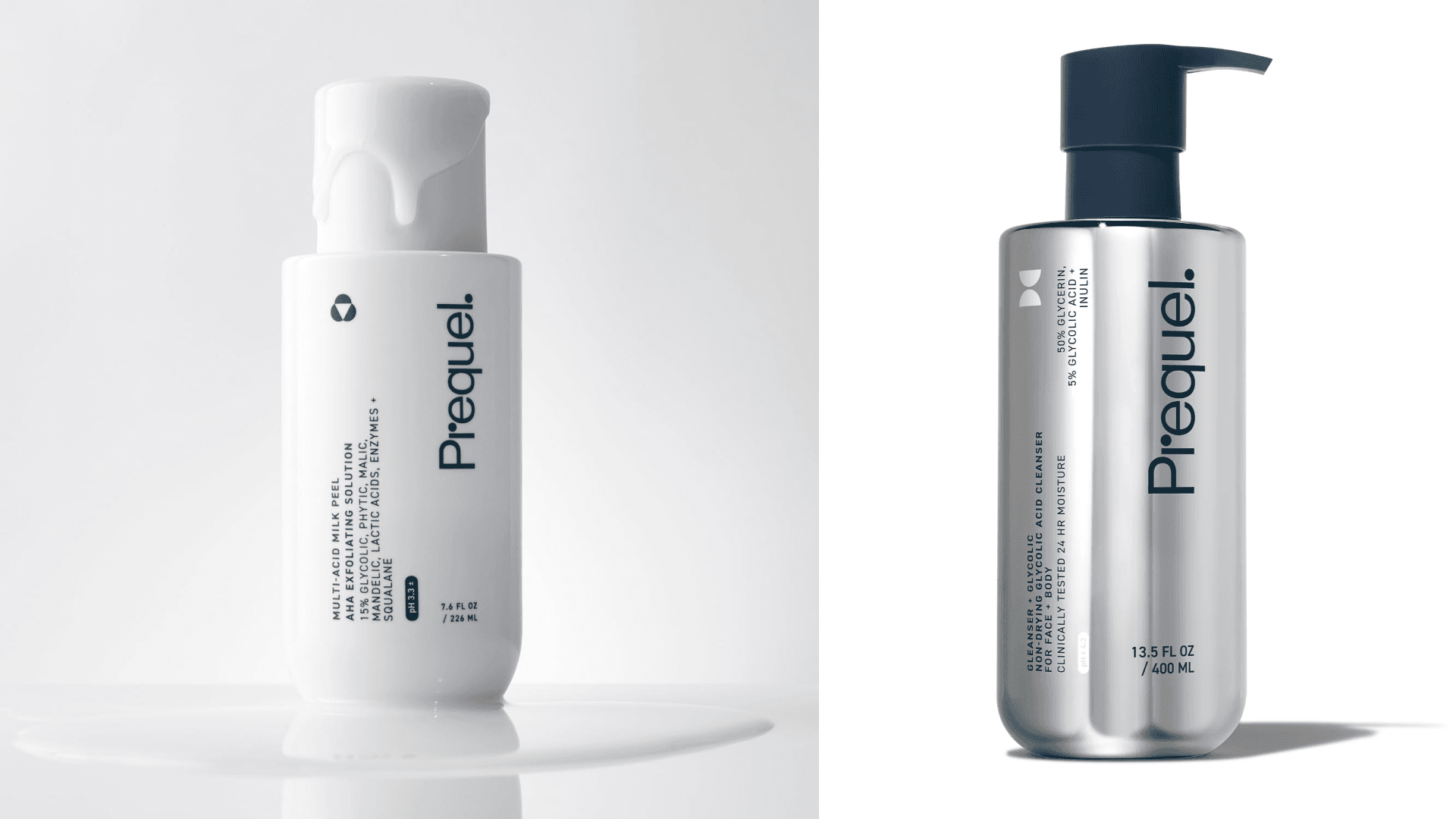
A stronger chemical exfoliant like Prequel’s Multi-Acid Milk Peel, which contains 15% glycolic acid, is best used more sparingly (so about once a week). On the other hand, a very gentle exfoliating cleanser can be used daily because of the lower potency and short contact time.
I personally enjoy both physical and chemical exfoliation. I typically use a physical exfoliant every couple of weeks because the results are immediate and satisfying, and then use a chemical exfoliant to maintain the results.The most important thing is listening to your skin and adjusting based on how it responds, instead of following a rigid routine.
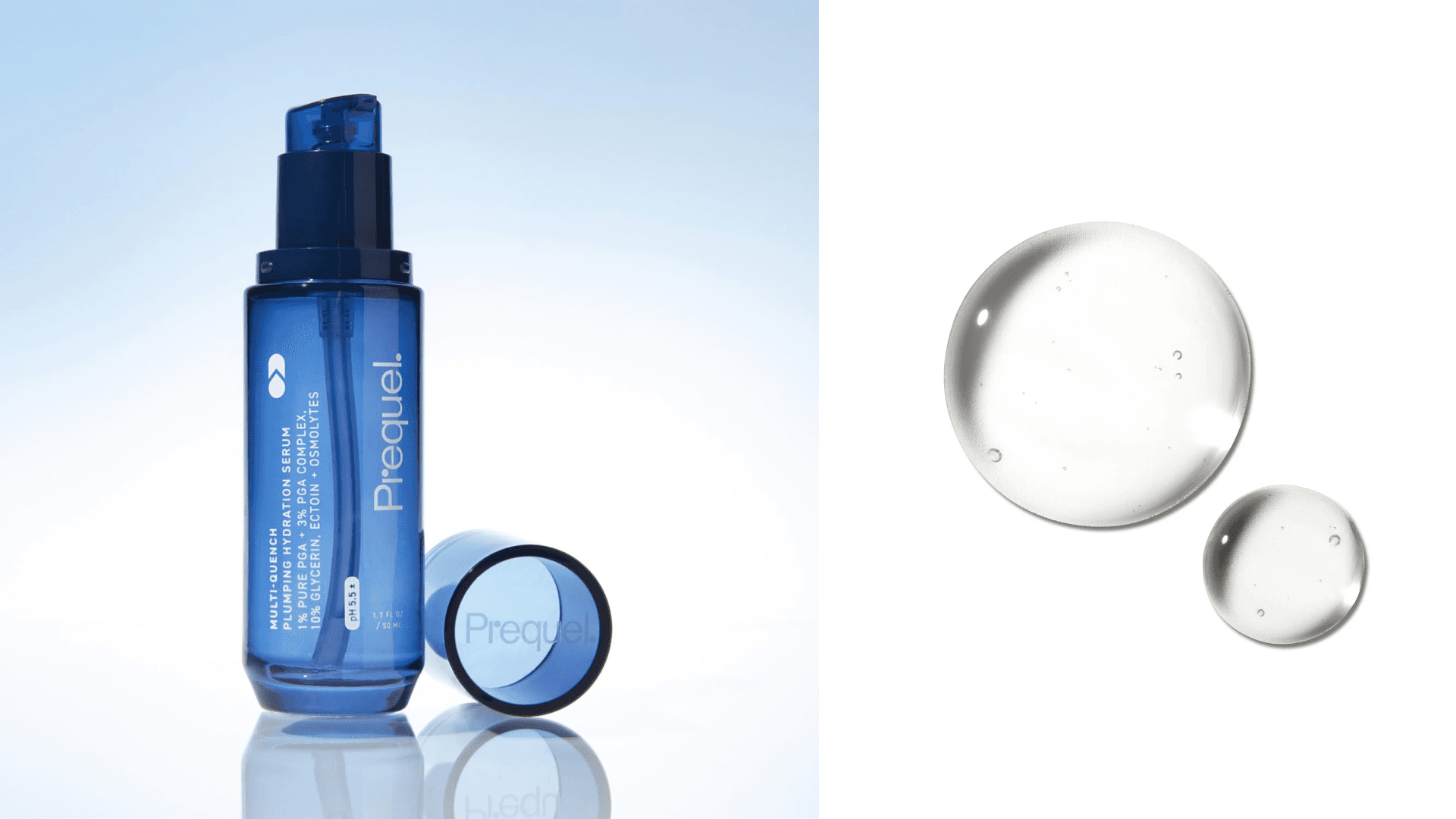
What are some new/buzzy ingredients you really believe in?
Two ingredients I really believe in are ectoin and polyglutamic acid. Both are excellent for hydration and barrier support, especially in dry or cold environments. We formulated Prequel’s Multi-Quench Plumping Hydration Serum with both after seeing so many people underwhelmed by hyaluronic acid-based serums that just weren’t enough.
Do you actually need to wash your face in the morning?
Unless you wake up very oily or sweaty, you do not need to wash your face in the morning. The products you applied the night before are either absorbed into your skin or already on your pillowcase. Some people enjoy cleansing as part of their morning routine, which is completely fine, but it is not a requirement for healthy skin.
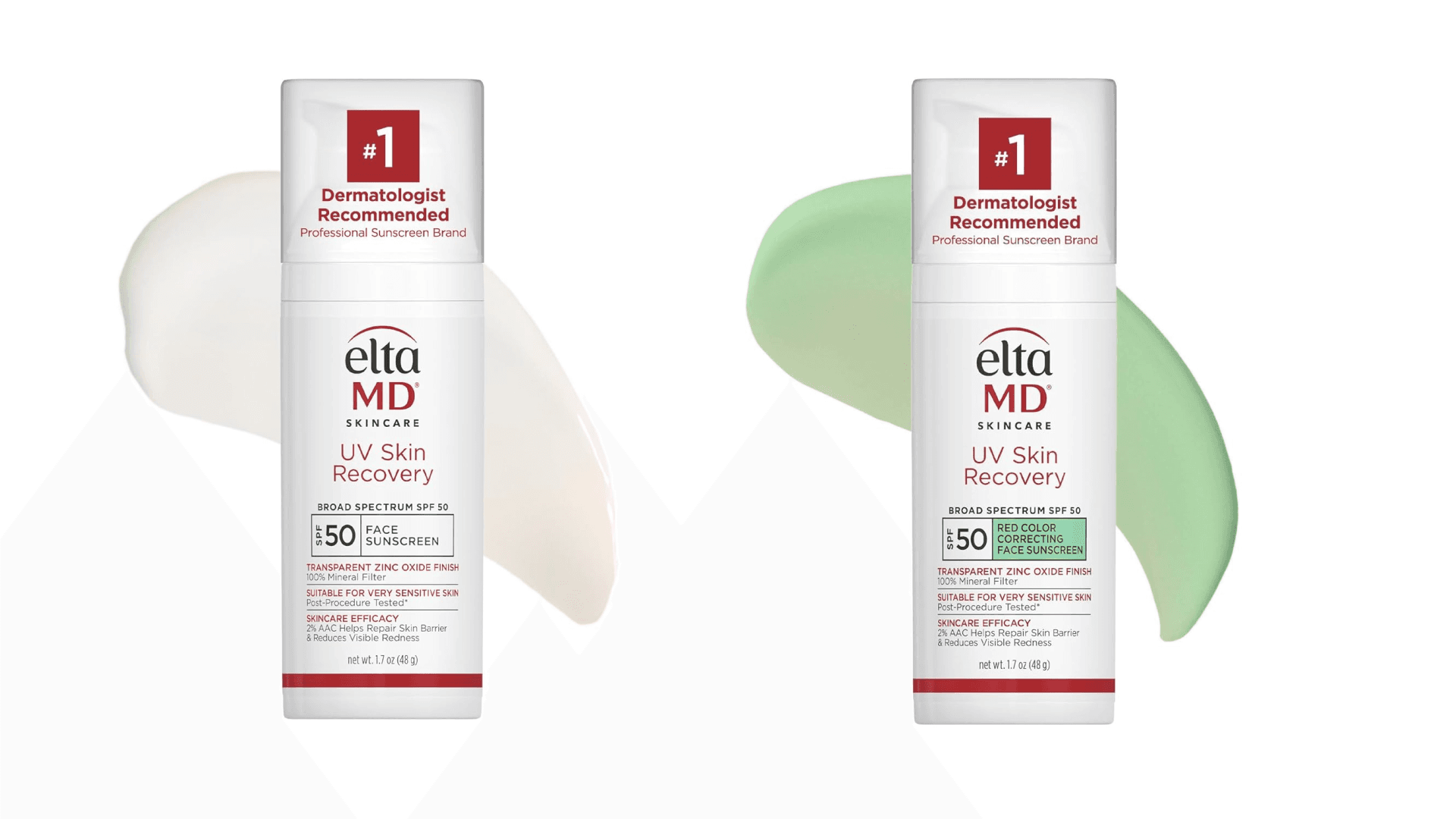
New and exciting sunscreen recs that aren’t hard to find?
EltaMD’s UV Skin Recovery SPF 50. It's great for sensitive or post-procedure skin, and they created a version with a slightly green tint for anyone who struggles with redness like I do. I'm also always perusing Asian beauty websites like YesStyle and Stylevana for new Korean and Japanese sunscreens to try, and I always post my all-time favorites on my YouTube channel.
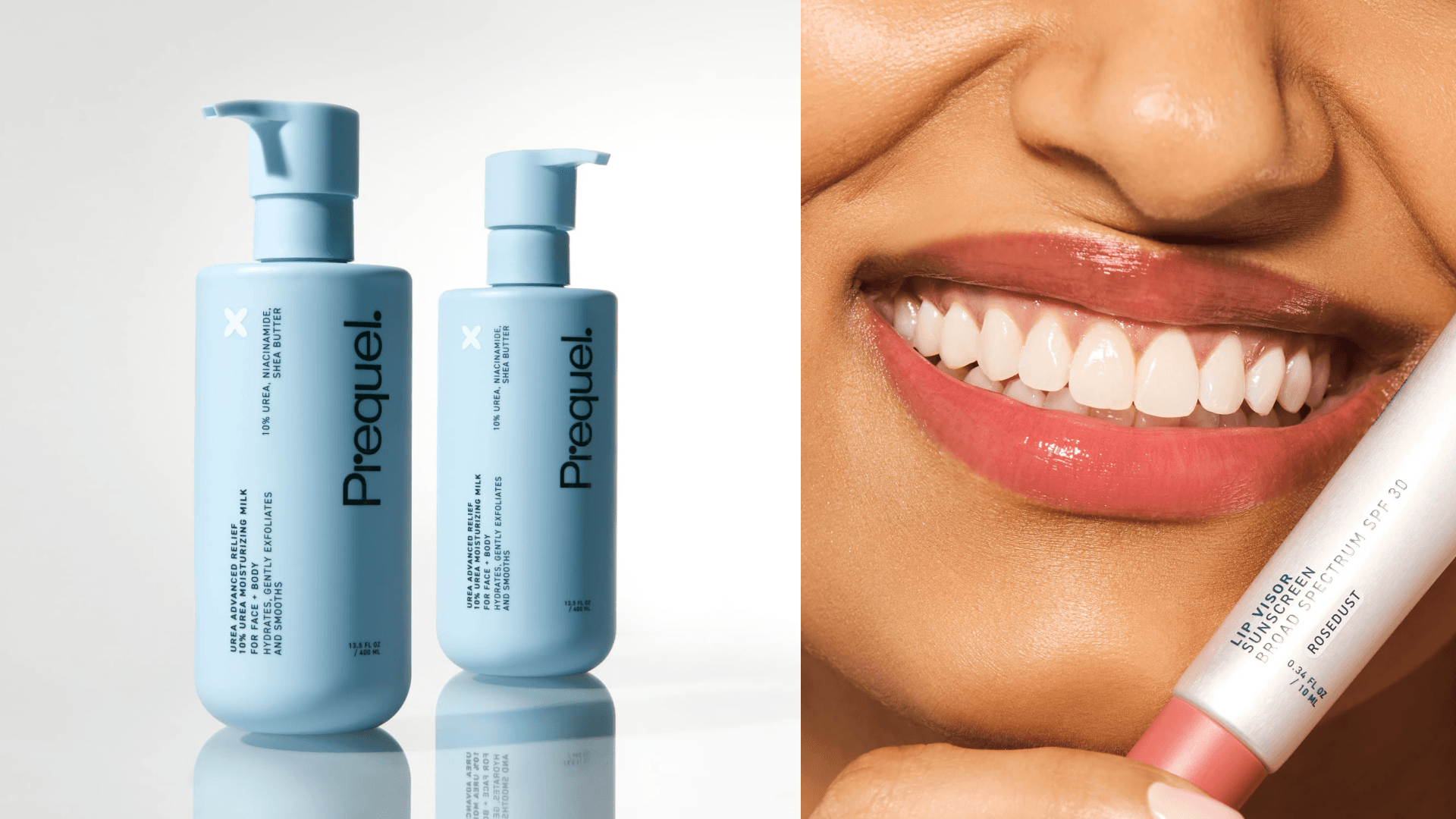
The three products you never go without during the winter months?
Prequel Urea Advanced Relief Moisturizing Milk: it's so hydrating and makes my dry skin super soft
Prequel Lip Visor SPF 30: my lips need extra TLC in the winter, and it's important not to neglect UV protection in the colder months
Prequel Multi-Quench Hydration Mist: to refresh my skin throughout the day if it's getting dry or tight from winter winds or indoor heating
How should we be taking care of our skin, scalp, and hair during the winter?
Moisturize more than you think you need to. Skin and scalp dryness are extremely common in winter. Hair also tends to become more brittle, so I recommend using a lightweight oil daily from the mid-lengths to the ends.
During drier months, it can actually help to wash your hair (and scalp) more often instead of relying on dry shampoo. Don't get me wrong, I love dry shampoo, but overuse can contribute to scalp irritation and flaking.
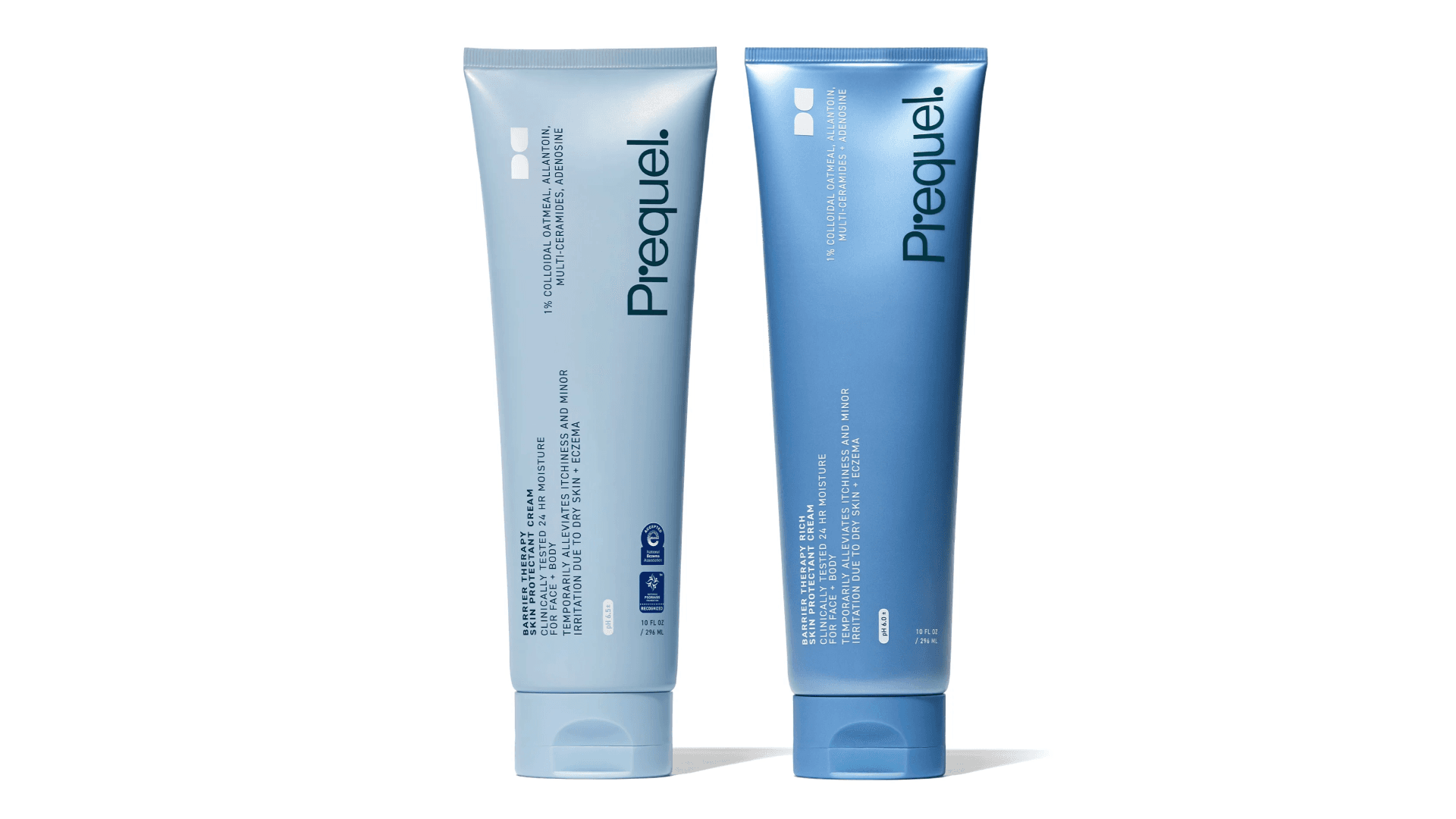
An eczema-soothing product that doesn’t get enough love?
Prequel Skin Barrier Therapy, including the Rich version. It’s finally back in stock after selling out and falling off of people’s radar. It's formulated with ingredients like colloidal oatmeal, which is excellent for calming itch and inflammation, along with barrier-supporting lipids and humectants that help the skin hold onto moisture. Colloidal oatmeal is one of those ingredients that has stood the test of time, especially for eczema-prone skin. I also always remind patients not to underestimate the impact of a humidifier during the winter months. It can make a meaningful difference for both eczema and overall skin comfort.