well aware
When the Diagnosis Is Wrong

Getting a diagnosis can feel like finally having an answer. After months or years of appointments, tests, and waiting, there's a name for what's happening to your body. But what happens when that conclusion turns out to be wrong? Christina Applegate's experience offered a very public example of that last week, when the actor revealed she'd been misdiagnosed with MS. Her symptoms haven’t disappeared, so in some ways, she's back to square one.
Why does this matter? A diagnosis can determine treatment, provide access to support, and help explain symptoms to loved ones. Unfortunately, diagnostic errors are common. Roughly a third of people will experience one in their lifetime, according to the Agency for Healthcare Research and Quality.
Here's what you might not know: A diagnosis isn't always a final answer. Doctors sometimes use a “working diagnosis,” meaning the best explanation based on available evidence. New symptoms or test results can change that assessment. But uncertainty shouldn't mean leaving patients without a plan. A 2024 study of diagnostic uncertainty in emergency or urgent care found that 73% reported poor communication, often because they didn't receive a clear explanation. You may not leave an appointment knowing what's wrong, but you should understand what happens next.
What to Take Away:
Get specific. Track your symptoms and what they keep you from doing. “I couldn’t finish grocery shopping” helps explain what “exhausted” means.
Ask follow-up questions. Is this a confirmed diagnosis or a working one? What else could explain your symptoms?
Leave with a plan. Figure out how to manage symptoms now, when to follow up, and whether a specialist or second opinion would help.
Brain Trust
Wait, could I break my back on a vibration plate?
FEATURED EXPERT:

Betsy Grunch
MD, FAANS, FACS, FCNS, is a board-certified neurosurgeon in Gainesville, GA, and a Castle Connolly Top Doctor
“A vibration plate is very unlikely to fracture a healthy spine on its own. When I see spine injuries from these devices, there’s usually a fall, a high-intensity setting, or bone that was already weaker than the person realized. Many people have low bone density and don’t know it, and a weakened vertebra can collapse under forces a healthy one would handle easily.
Risk goes up if you have osteoporosis or osteopenia, a prior compression fracture, recent spine surgery or hardware, or balance problems. Standing with locked knees also sends more vibration straight up into your spine.
To use one safely, start on the lowest setting for a few minutes, keep your knees slightly bent, and hold the handles. If you’re over 50 or have any bone or spine history, talk to your doctor first. Stop right away if you feel back pain, numbness, or tingling, and get it checked.”
Well Reviewed
It's Getting Hot in Here
Whether you’re dealing with cramps or just cold, heating pads are an essential to add to your recovery routine. Here are our favorites:
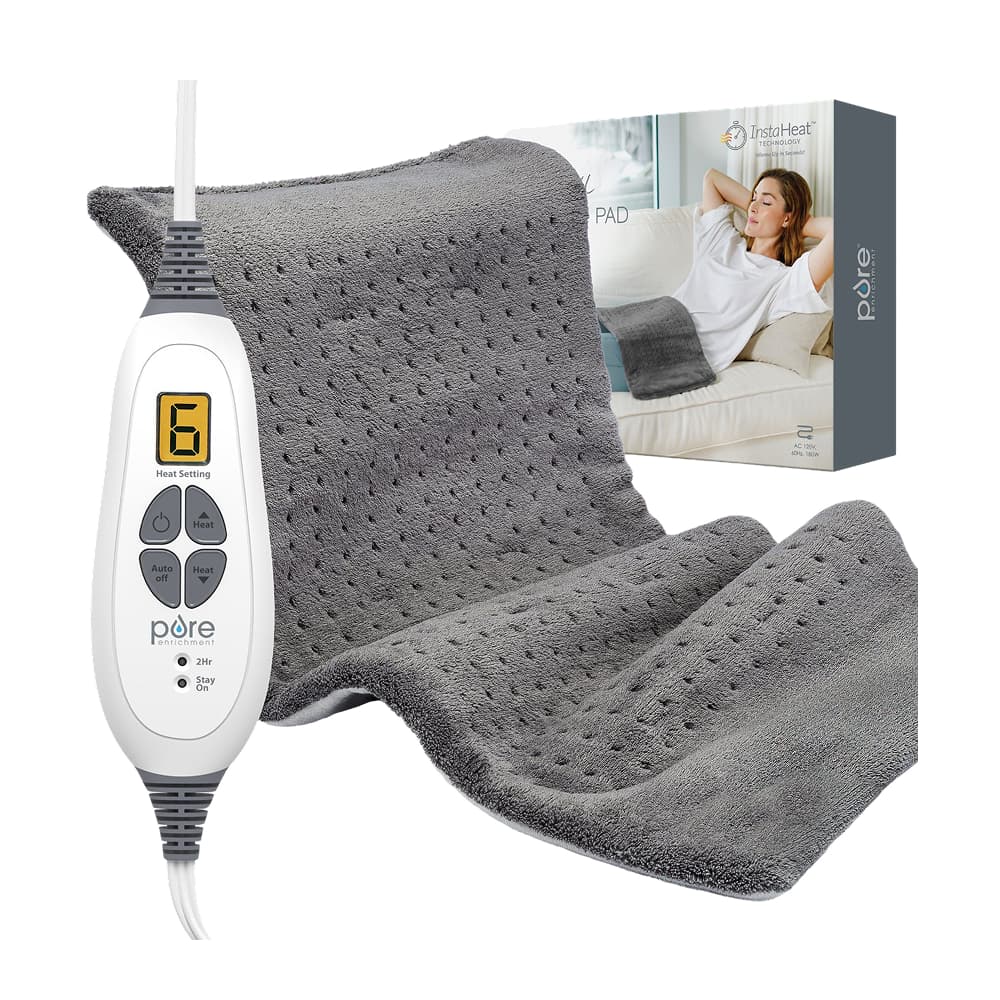
Pure Enrichment
Pure Enrichment PureRelief XL King Size Heating Pad is the most versatile option.

Bearaby
Bearaby Lounger is the best weighted option.
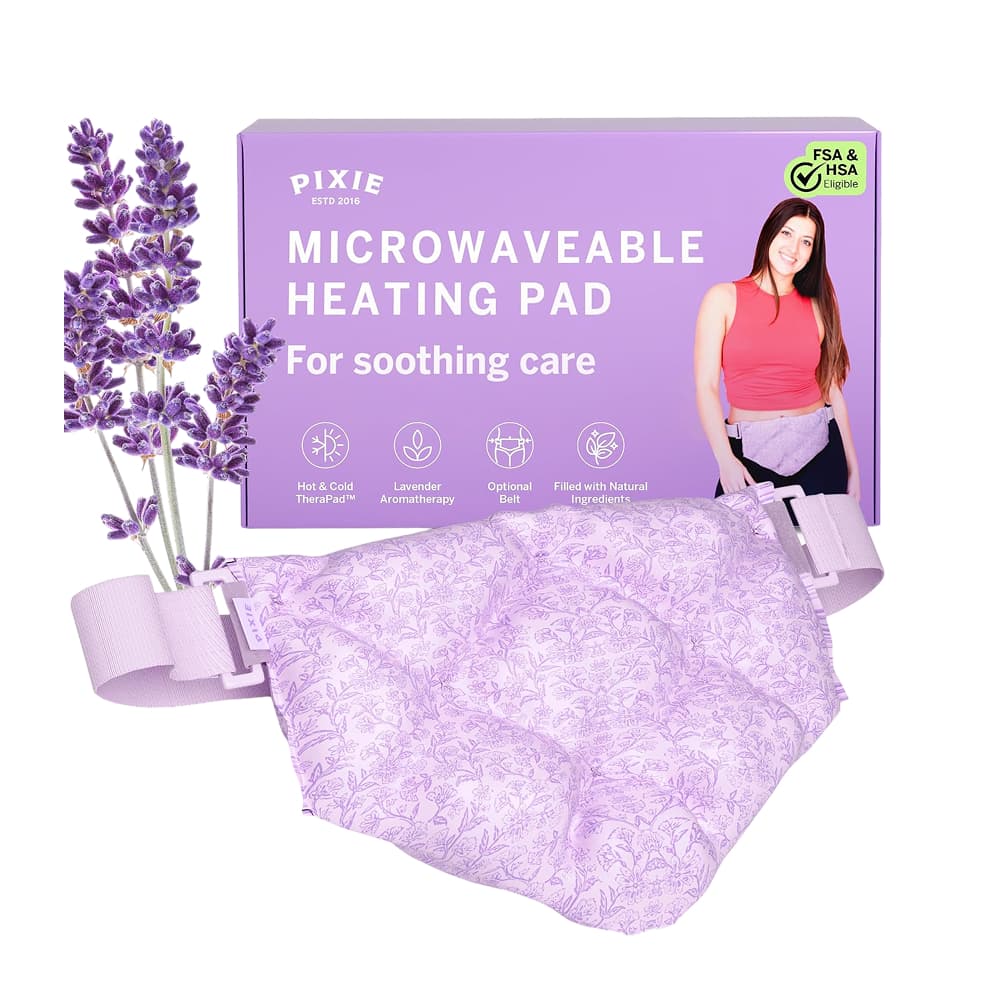
Pixie
Pixie TheraPad is the best for period pain.

Ostrichpillow
Ostrichpillow Hot & Cold Eye Mask is the best for migraine relief.
Here’s the full list of the best heating pads for aches, pains, stress, and more, according to experts.
No Notes
well aware
When the Diagnosis Is Wrong
Getting a diagnosis can feel like finally having an answer. After months or years of appointments, tests, and waiting, there's a name for what's happening to your body. But what happens when that conclusion turns out to be wrong? Christina Applegate's experience offered a very public example of that last week, when the actor revealed she'd been misdiagnosed with MS. Her symptoms haven’t disappeared, so in some ways, she's back to square one.
Why does this matter? A diagnosis can determine treatment, provide access to support, and help explain symptoms to loved ones. Unfortunately, diagnostic errors are common. Roughly a third of people will experience one in their lifetime, according to the Agency for Healthcare Research and Quality.
Here's what you might not know: A diagnosis isn't always a final answer. Doctors sometimes use a “working diagnosis,” meaning the best explanation based on available evidence. New symptoms or test results can change that assessment. But uncertainty shouldn't mean leaving patients without a plan. A 2024 study of diagnostic uncertainty in emergency or urgent care found that 73% reported poor communication, often because they didn't receive a clear explanation. You may not leave an appointment knowing what's wrong, but you should understand what happens next.
What to Take Away:
Get specific. Track your symptoms and what they keep you from doing. “I couldn’t finish grocery shopping” helps explain what “exhausted” means.
Ask follow-up questions. Is this a confirmed diagnosis or a working one? What else could explain your symptoms?
Leave with a plan. Figure out how to manage symptoms now, when to follow up, and whether a specialist or second opinion would help.
Brain Trust
Wait, could I break my back on a vibration plate?
FEATURED EXPERT:
Betsy Grunch
MD, FAANS, FACS, FCNS, is a board-certified neurosurgeon in Gainesville, GA, and a Castle Connolly Top Doctor
“A vibration plate is very unlikely to fracture a healthy spine on its own. When I see spine injuries from these devices, there’s usually a fall, a high-intensity setting, or bone that was already weaker than the person realized. Many people have low bone density and don’t know it, and a weakened vertebra can collapse under forces a healthy one would handle easily.
Risk goes up if you have osteoporosis or osteopenia, a prior compression fracture, recent spine surgery or hardware, or balance problems. Standing with locked knees also sends more vibration straight up into your spine.
To use one safely, start on the lowest setting for a few minutes, keep your knees slightly bent, and hold the handles. If you’re over 50 or have any bone or spine history, talk to your doctor first. Stop right away if you feel back pain, numbness, or tingling, and get it checked.”
Live Smarter
Sign up for the Daily Skimm email newsletter. Delivered to your inbox every morning and prepares you for your day in minutes.